
Modular 101: Code First (Part 2) Matelines, Permits, and Where Code Compliance Fails
In Part 1 of this series, we examined how code compliance is verified in modular construction: the division between factory and site inspection, the mechanics of CSA A277 certification, and the procedural differences between OBC Part 3 and Part 9 projects. We established that the Ontario Building Code applies in full to modular buildings, but verification is distributed across jurisdictions and contracts.
Part 2 addresses where this system is most vulnerable. We will examine matelines, the junctions between modules where code required continuity is difficult to achieve, permit coordination workflows, and the specific failure modes that occur when design, fabrication, or assembly coordination breaks down.
Matelines: The Regulatory Gap Between Modules
The mateline, the junction between two modules, is where modular code compliance is most vulnerable. The building code requires continuity of fire separations, sound isolation, and thermal control, but the code does not prescribe how these continuities are achieved across factory-built seams.
Fire Separation Continuity: OBC 3.1.3 and 3.2.3
OBC Part 3 requires fire-resistance ratings for floors, walls, and ceilings based on building classification and occupancy. When a fire-rated assembly is interrupted by a mateline, the connection detail must maintain the required rating.
Common compliance strategies:
Field-applied fire caulking: Requires third-party inspection and often delays occupancy if not completed correctly
Intumescent strips: Factory-installed, site-activated; requires compression during module installation
Continuous gypsum board lapping: Labour-intensive and alignment-sensitive; difficult to execute without tolerance management
The architect must specify and detail these connections, working with the manufacturer and the site construction team, because the manufacturer must prepare them and the site construction team must execute them for the inspector to verify afterwards. If any party misunderstands their role, the building fails to comply with the code.

Acoustic Separation: OBC Part 5
OBC Part 5 requires Apparent Sound Transmission Class (ASTC) and Impact Insulation Class (AIIC) performance for demising assemblies in multi-unit residential buildings. Modular matelines, particularly floor-to-floor and wall-to-wall junctions, are acoustic weak points.
The problem: Tested assemblies (NRC or lab-tested systems) rarely account for modular seams. The architect must either:
Rely on engineering judgment and detailing (risk of non-compliance)
Commission field testing post-occupancy (expensive, reactive, and may reveal failures after completion)
Specify assemblies with performance margin (cost and space penalties)
Unlike fire ratings, which can be verified visually, acoustic performance cannot be confirmed until the building is complete. This deferred verification creates risk.
Permit Coordination: What Gets Submitted, and When
Building permit applications for modular projects require clarity on what is being reviewed and what is being deferred.
Permit Drawings
Permit drawings must demonstrate code compliance and design intent. They must show:
Building classification, occupancy, and use
Fire separations, exits, and travel distances
Structural system and load paths
Envelope assemblies (wall, roof, floor sections)
Module layout, dimensions, and transport strategy
Permit drawings do not need to show fabrication details; those are shop drawings. But they must show enough information for the AHJ to confirm code compliance.

Shop/Fabrication/Production Drawings
Shop drawings are manufacturer-produced documents showing fabrication details, such as fastener schedules, weld locations, framing members, and rough-in locations. They are submitted after permit issuance and reviewed by the architect and engineers for conformance with design intent.
Critical point: Some municipalities require pre-approval of shop drawings before module production begins. Others accept CSA A277 certification as sufficient. Architects must confirm AHJ expectations during the permit application process.
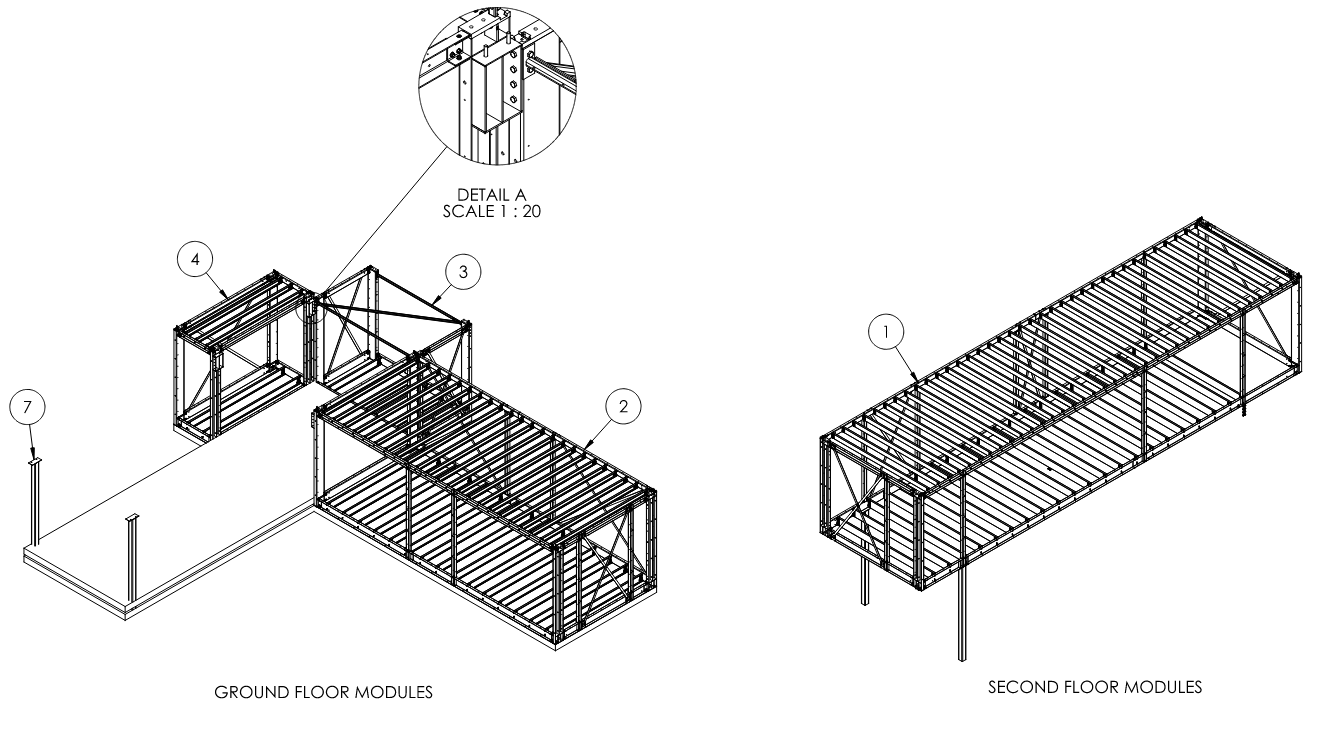
Sample drawing of steel module assembly drawing by XLA
Deferred Submissions
Some components may be submitted as deferred or delegated items:
Structural connection details (if delegated to the manufacturer's engineer)
Mechanical equipment schedules (if equipment selection occurs post-permit)
Fire alarm and sprinkler shop drawings (typically submitted by subcontractors)
Deferred submissions must be clearly identified in permit drawings. If the AHJ does not accept deferrals, permit issuance may be delayed.
Code Compliance Failure Modes in Modular Construction
Several failure modes are unique to modular construction or significantly amplified by it:
1. Transportation Damage to Code-Required Assemblies
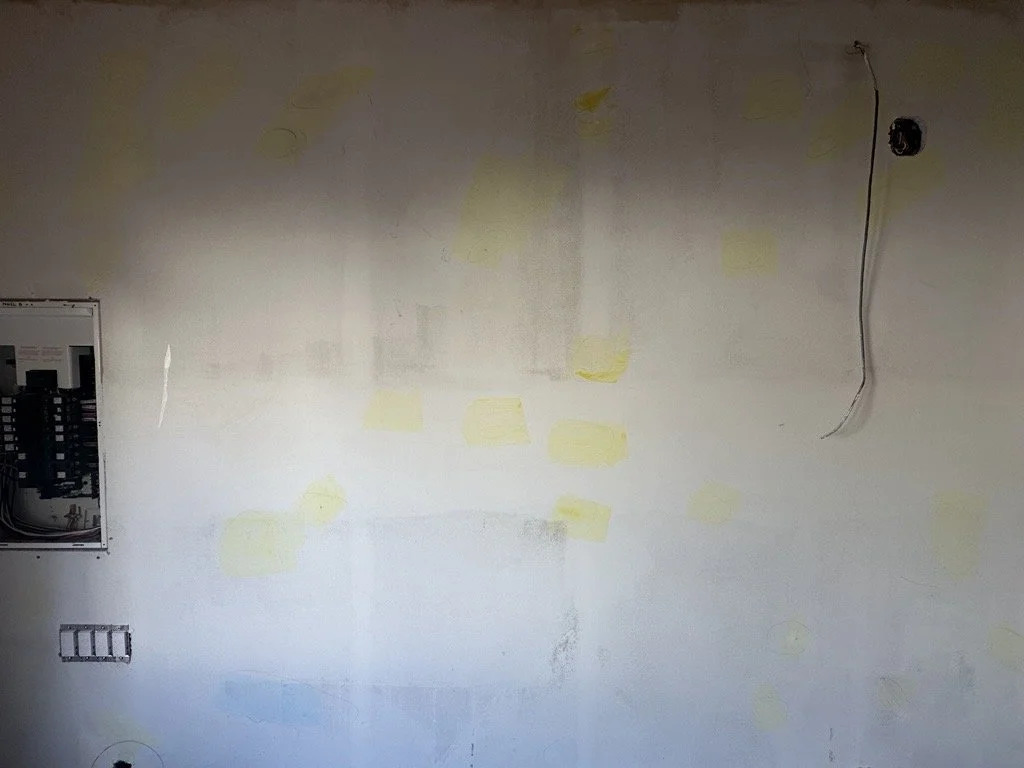
Fire-rated walls, insulated envelopes, and vapour barriers can be compromised during transport. Factory certification confirms compliance at the time of manufacture, but damage may occur en route. Site inspectors may not identify these deficiencies if damage is concealed within the module.
Example: A module with a fire-rated wall assembly arrives on site with concealed drywall cracking due to transport vibration. The cracking compromises the fire rating, but the damage is not visible. The building is occupied without correction. A future fire exposes the deficiency.
2. Field Modifications Post-Certification
Once a module is certified, any site-based modification, such as cutting a penetration, relocating a fixture, or altering a fire separation, voids the certification for that component. Contractors unfamiliar with this requirement may proceed with field changes that introduce code violations.
Example: An electrical contractor cuts a new penetration through a fire-rated wall to add a receptacle. The penetration is not fire-stopped. The building fails inspection.
3. Mateline Assembly Errors
Mateline connections are often completed by site trades unfamiliar with modular detailing. If fire caulking is applied incorrectly, acoustic resilient channels are omitted, or vapour barriers are not lapped, the building may not achieve code-required performance.
Example: A floor-to-floor mateline requires continuous fire caulking. The site crew applies caulking only to visible gaps, omitting concealed joint areas. The assembly does not achieve the required fire rating. The deficiency is not discovered until a post-occupancy audit.
4. Incomplete Record Drawings
Modular buildings are often delivered with incomplete as-built documentation. If modules are modified during manufacturing or assembly and those changes are not captured, future renovations or code upgrades may be compromised by inaccurate records.
Example: A plumbing riser is relocated during factory production to accommodate a structural conflict. The change is not documented. Ten years later, a renovation team cuts into a wall expecting the riser to be in the original location. The riser is damaged, flooding the building.
What Architects Must Do
Architects practicing in modular construction cannot treat code compliance as a downstream issue. The following actions are non-negotiable:
Confirm AHJ requirements during pre-application: Not all municipalities interpret modular permitting the same way. Some require CSA A277 certification; others do not. Some require shop drawing pre-approval; others do not. Confirm expectations before design begins.
Specify CSA A277 certification in contract documents: Do not assume manufacturers will pursue certification without contractual obligation. Specify the certification body, inspection hold points, and documentation requirements.
Detail mateline connections with code performance in mind: Fire, sound, and thermal continuity must be designed, not assumed. Provide assembly details, material specifications, and installation sequences.
Coordinate shop drawing review with factory production schedules: Factory schedules do not accommodate last-minute reviews. Establish review timelines in the contract and enforce them.
Review shop drawings for code compliance, not just design intent: Manufacturers are fabricators, not code consultants. The architect remains responsible for ensuring shop drawings are code-compliant.
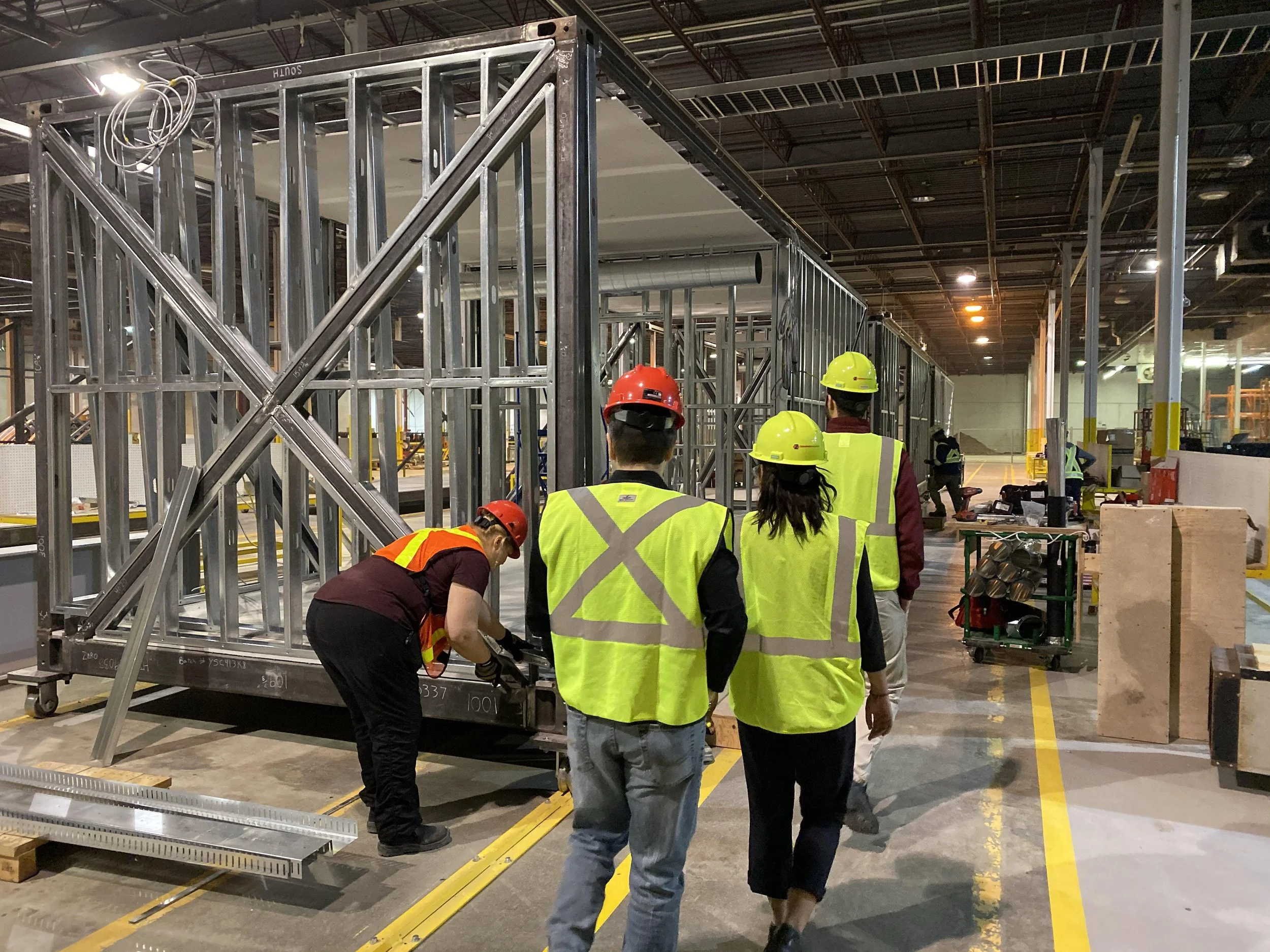
Conduct factory site visits during production: Plan one or two strategically timed visits to verify coordination, observe the production process, and identify issues before modules ship. Negotiate the right to factory visits and clarify cost responsibility in the contract.
Require as-built documentation in the contract: Specify that the manufacturer must provide complete as-built drawings reflecting all production changes.
Conclusion
Modular construction does not simplify code compliance; it simply redistributes it across jurisdictions, contracts, and timelines. The building code applies in full. CSA A277 provides a factory verification framework, but it does not replace the architect's responsibility for designing for compliance, documenting interfaces, and coordinating enforcement across the factory and the site.
The regulatory mechanics examined in Part 1 about factory certification, inspection protocols, and site verification establish how the system is intended to work. Part 2 has examined where the system breaks down: matelines that fail to maintain code-required continuity, permit workflows that delay production, and failure modes that introduce deficiencies, delays, and liability.
Understanding both the system and its vulnerabilities is not a supplementary skill in modular practice. It is the foundation. When code compliance is treated as a procedural discipline, designed, detailed, coordinated, inspected, and documented with rigour, modular construction can deliver buildings that meet or exceed conventional performance.
When it is deferred, assumed, or delegated without oversight, the results are predictable: deficiencies that delay occupancy, remediation that exceeds budgets, and professional liability claims that follow architects for years.
Code compliance is not the constraint on modular construction. Poor coordination is.
•••
XLBench is your go-to platform for modular construction insights, setting industry benchmarks, fostering expert discussions, and sharing the latest trends. Through Benchboard, we provide data-driven research, thought leadership, and in-depth analysis to advance modular innovation.
Stay informed and be part of the conversation—follow XLBench for the latest updates, expert insights, and industry trends.
•••
xL Architecture & Modular Design (XLA) is an innovative architecture firm redefining the future of building through off-site construction technologies. With expertise in volumetric modular designs, and panelized building systems, we create cutting-edge solutions that seamlessly integrate form, function, and sustainability.